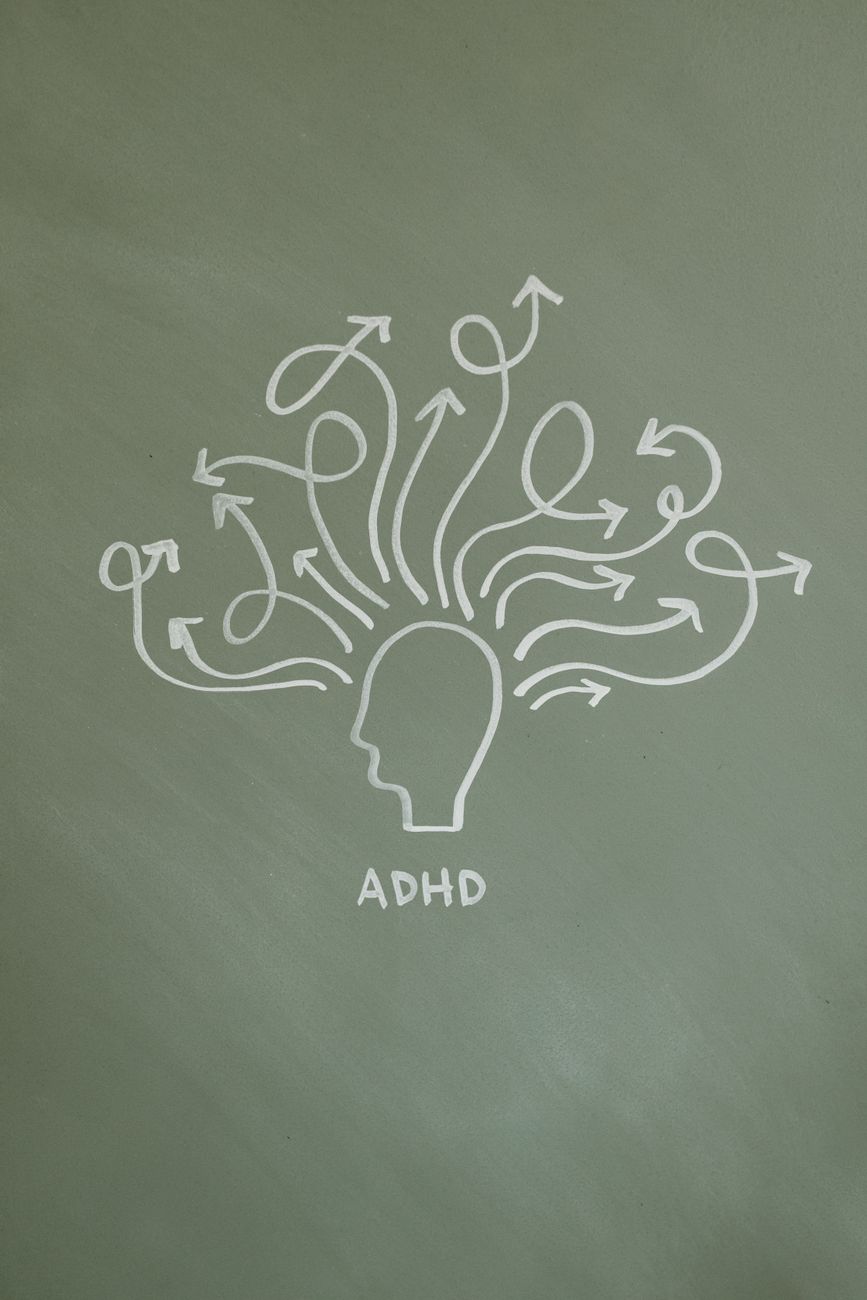
If I had a dollar for every time someone told me to “just try harder,” I could probably fund my own neuroscience lab (or my in vitro plants lab).
Traditional productivity advice often fails people with ADHD because it is built for neurotypical brains. It assumes your brain’s internal manager is sitting comfortably at a desk, ready to prioritize and execute. But for us neurospicy folks, our internal manager is often out on a very long coffee break, and a toddler has taken over the control panel.
The Skipping Record of Executive Dysfunction
Let’s talk about why initiating tasks is so incredibly difficult. First of all, please hear me when I say that you are not lazy. Truly lazy people do not spend hours agonizing over the fact that they aren’t working.
For those of us with ADHD, the struggle isn’t a character flaw; it’s executive dysfunction. It affects the parts of the brain that control task initiation and organization. It often feels like a vinyl record player that is skipping or, worse, doesn’t start playing. You want to play the song, you desperately want to start the task, but the needle is stuck in a loop. This is a neurobiological impairment, often caused by reduced dopamine levels in the prefrontal cortex.
When your internal engine struggles to generate the spark needed to start, you have to look outside yourself for the ignition.
The Magic of Body Doubling and External Accountability
So, how do we fix the skipping record? We build external scaffolding. This is where an accountability partner becomes an absolute game-changer.
Instead of relying on sheer willpower (which is a finite resource that runs out fast), an accountability partnership leverages your brain’s social wiring.
- Body Doubling (Co-action Effects): When you work alongside someone who is actively focused on their work, you are significantly more likely to focus on your own. It provides a visual and energetic anchor for your drifting attention.
- Social Expectancy: We are social creatures. Knowing that someone will be asking about our progress creates a gentle, healthy sense of obligation. This external check-in can successfully override the impulse to procrastinate, providing the urgency our brains usually can’t generate until a deadline is two hours away.
Ditching the Guilt
The best part about an accountability partner? They aren’t a boss, and they aren’t there to micromanage you. A good accountability partner is a judgment-free zone.
When you share your struggles and celebrate your tiny, microscopic wins with someone who gets it, you stop the shame spiral dead in its tracks. I’ve said it before, and I will say it again: shame is not a productivity tool. If you haven’t yet, take a quick detour to read my post on Why Guilt Kills Our ADHDers’ To-Do Lists (And How to Fix It with Kindness).
Let’s Team Up!
You don’t have to navigate your beautiful, chaotic “race car” brain all by yourself. Having a supportive partner to help you break down the overwhelm, reduce the friction of getting started, and celebrate finally making that phone call makes all the difference.

If you are ready to stop fighting your brain and start building a system that actually works for you, I am here to help. You can book a one-on-one accountability session with me right now on my Fiverr gig: Let’s get things done together! Let’s turn those uncompleted lists into small, consistent wins.





 Astrid Helps | Accountability partner | Biologist|
Leave a short reply here! This helps a small content creator.