
Burnout can appear when we least expect it. It’s like hitting an invisible wall; we cannot bring ourselves to answer a single email, and well-meaning friends tell us to “just get some sleep” or “take a weekend to relax.” We often treat burnout as a personal failing, a character flaw, or a sign we just need a quick nap to bounce back.
But let’s get one thing straight right now: for those of us with neurospicy brains, burnout is a physiological reality, not a lack of willpower.
The Science of Overload
Now, we have to look at what is actually happening in your nervous system to understand ADHD burnout.
When you navigate a world built for neurotypical people, your brain has to work incredibly hard just to maintain baseline functioning. Masking your traits, suppressing hyperactivity, and forcing focus requires immense amounts of energy. This constant friction leads to chronic stress, signaling your adrenal glands to pump out cortisol, our body’s primary stress hormone.
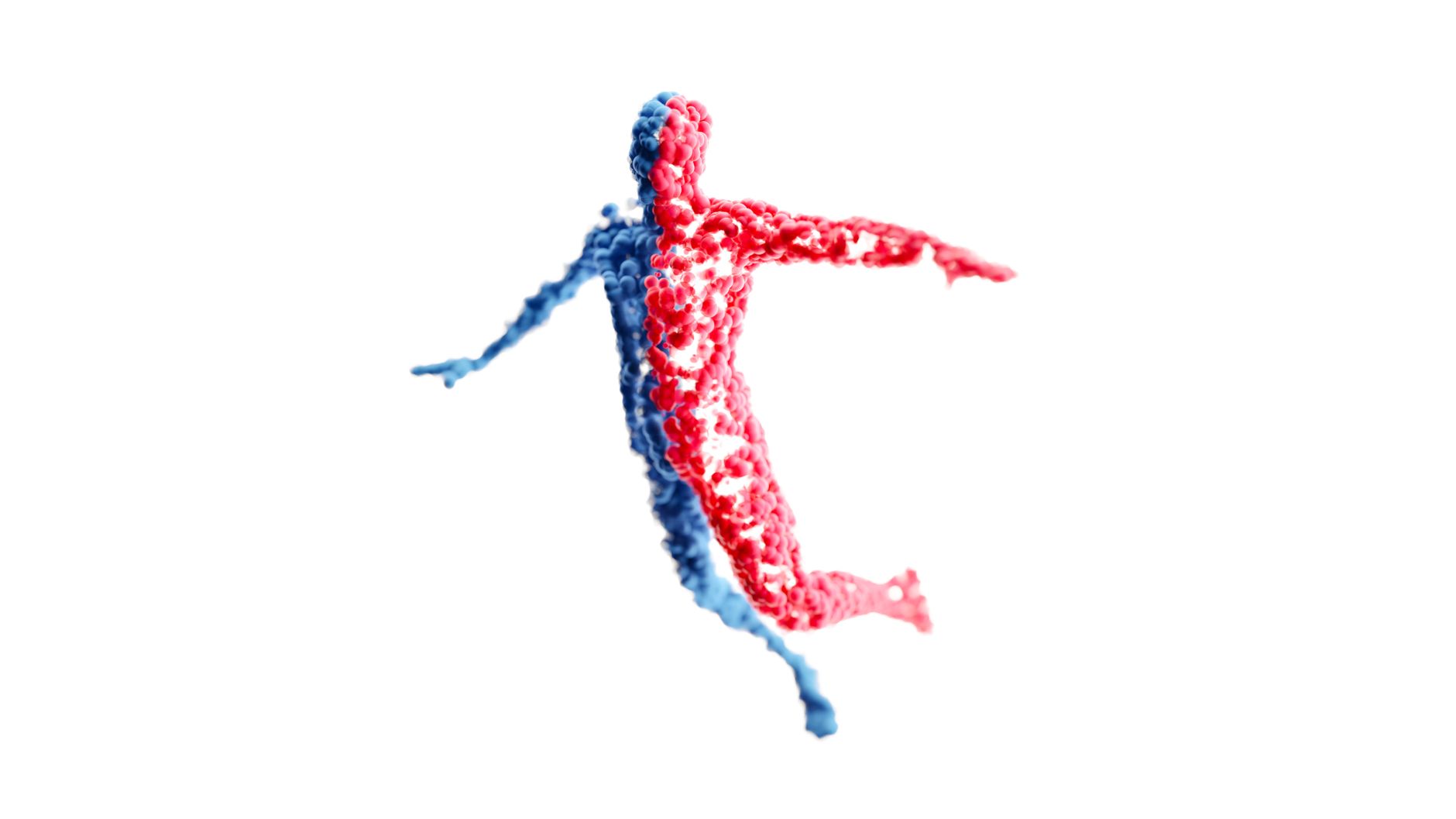
While a quick burst of cortisol is great if you are running from a bear, chronic cortisol exposure is toxic to the brain. Honest confession, I think I was drowning in Cortisol when I was getting my Biology Degree. Maybe that was because for ADHDers dealing with sensory and executive overload, the prefrontal cortex (the part of our brain responsible for planning and regulating emotions) essentially throws its hands up and shuts down. Our nervous system is no longer just stressed; it is sounding a global physiological alarm, as if it were on fire.
“Tired” vs. “Chemically Depleted”
It is crucial to understand the difference between being tired and being burnt out.
- Being Tired: This is a physical state. You had a long day, you ran a marathon, or you stayed up too late. A good night of sleep or a quiet weekend will usually fix this.
- Being Chemically Depleted: This is a neurological state. Your brain has literally burned through its available neurotransmitters, particularly dopamine, which ADHD brains already struggle to regulate. Dopamine has been released, and the reserves in our neurons are extremely low, just like its production.
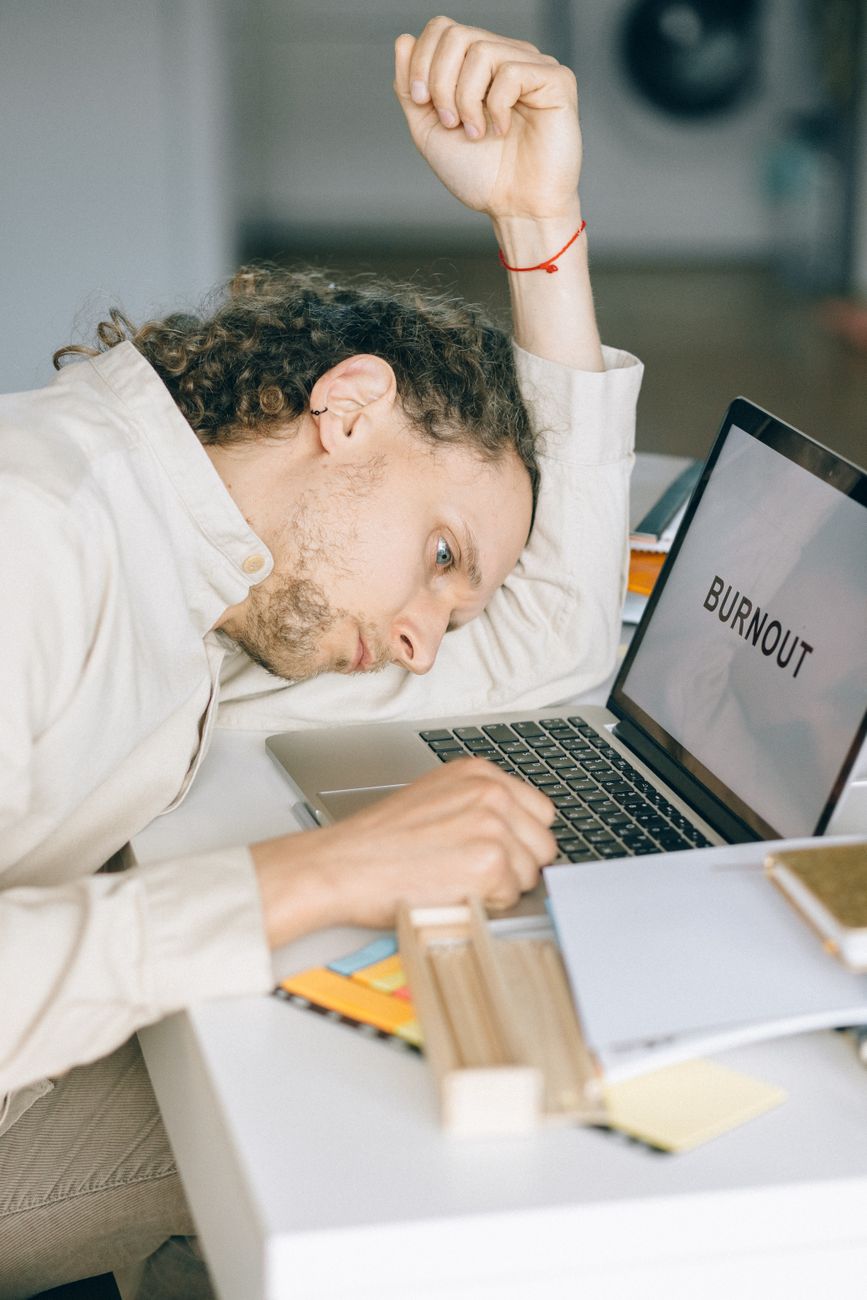
When we are chemically depleted, our tank isn’t just empty. It’s more like our engine has completely stalled. You cannot “willpower” your way out of a neurotransmitter deficit. Forcing yourself to push through at this stage only prolongs the biological recovery time.
The Antidote: Aggressive Rest and Dopamine Menus
If a nap won’t fix chemical depletion, what will? You have to engage in aggressive, intentional rest. This does not mean passively doom-scrolling on TikTok for six hours, which actually overstimulates your nervous system without providing any restorative benefits.
Intentional rest means actively choosing activities that soothe your nervous system and gently replenish your dopamine levels. To do this, I highly recommend creating a Dopamine Menu, a personalized list of go-to activities categorized by how much energy they require to initiate.

Here is how to structure yours:
- Appetizers (Quick fixes, 5-10 minutes): Stepping outside for sunlight, doing a quick stretch, playing with a pet, or listening to a favorite high-energy song.
- Mains (Deep recharge, 1-2 hours): Engaging in a low-stakes hyper-fixation (reading wikipedia, learning about a new hobby, organizing clothes by color), cooking a favorite meal, doing a puzzle, or engaging in a creative hobby with zero expectations of being “good” at it.
- Sides (Habitual support): Drinking a large glass of water, taking your medication, or putting your phone in another room.
- Desserts (Indulgences): Binge-watching a comforting TV show or eating a sweet treat (enjoyed mindfully, not as a primary coping mechanism).
When you are burnt out, you don’t have the executive function to decide what will make you feel better. Having a physical menu on your fridge removes the decision fatigue so you can start repairing your nervous system immediately.
What does your recovery look like?
Burnout is your biology begging you to stop. Listen to it.
I would love to know: what are your favorite low-energy “recharge” activities you would add to your Dopamine Menu? Share them in the comments below so we can all steal get some ideas!
And remember, you have to rest before you can rebuild. Once your nervous system is regulated and you are ready to ease back into your routine, you can consider working with me as your accountability partner to help you put systems in place that prevent you from crashing next time.





 Astrid Helps | Accountability partner | Biologist|
Leave a short reply here! This helps a small content creator.